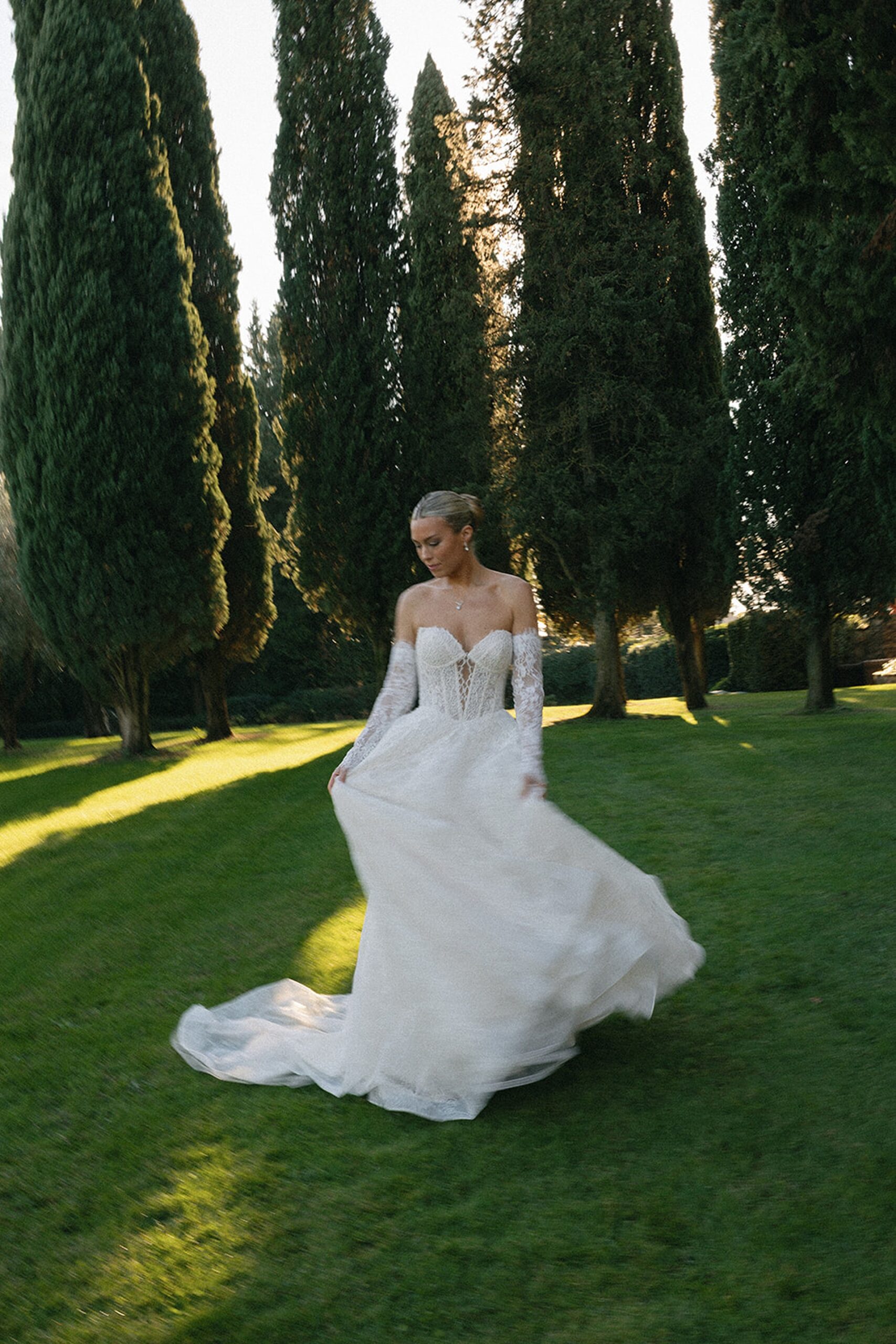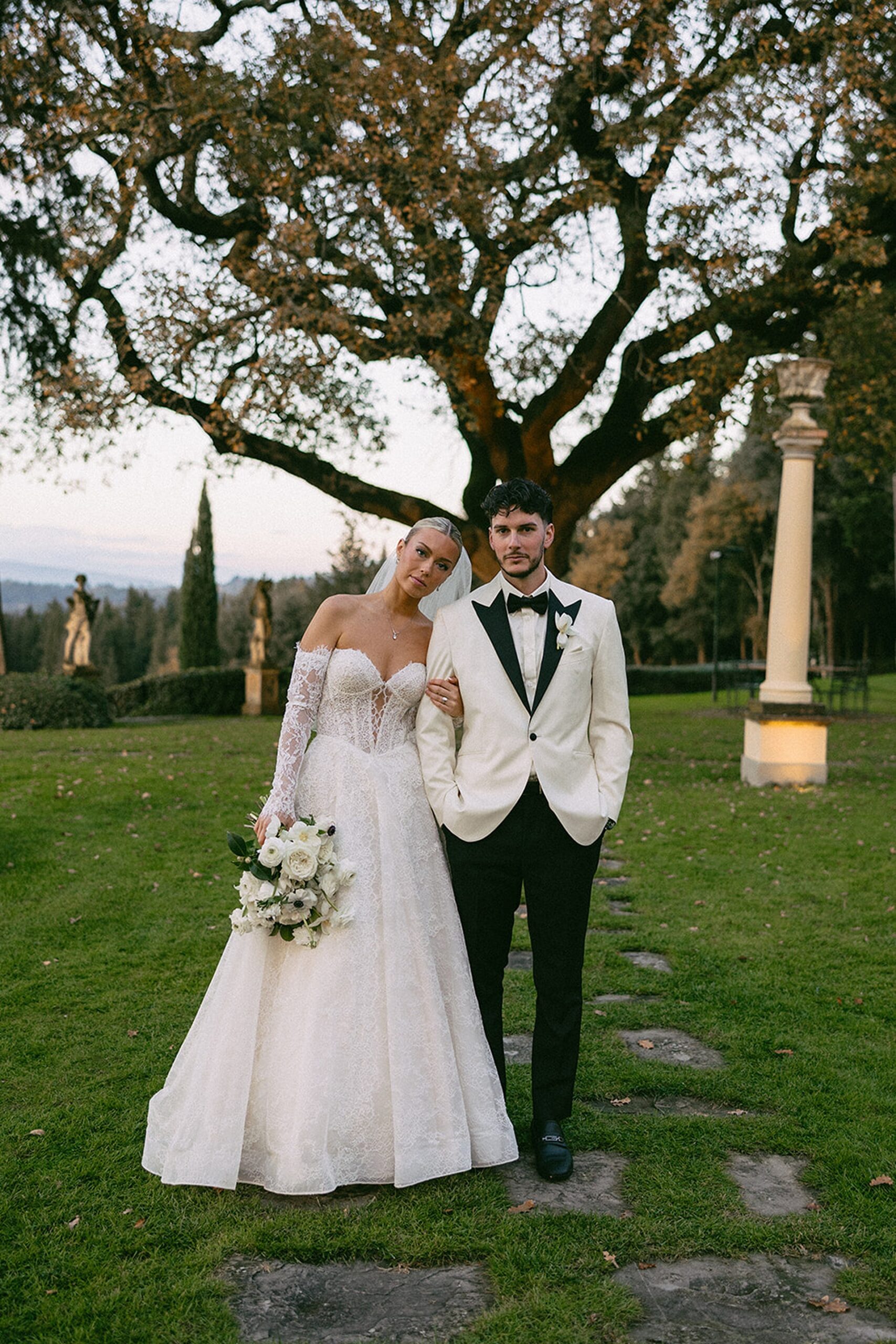
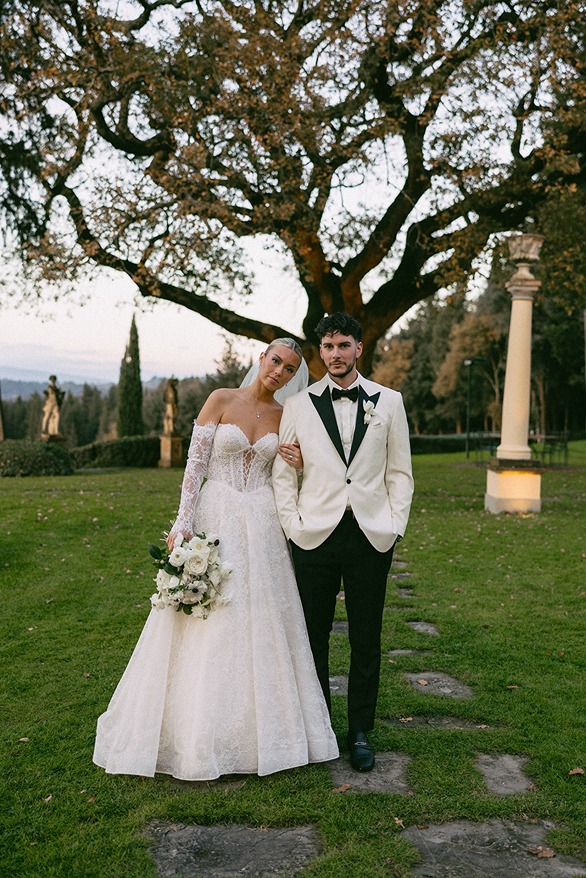
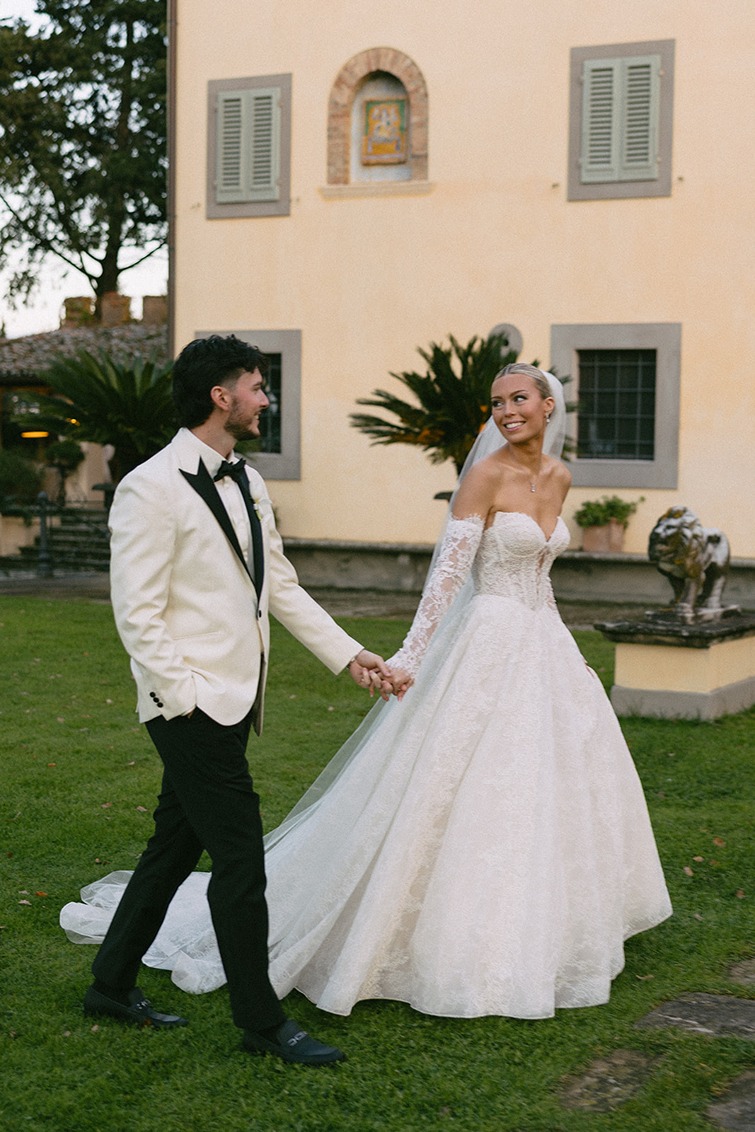
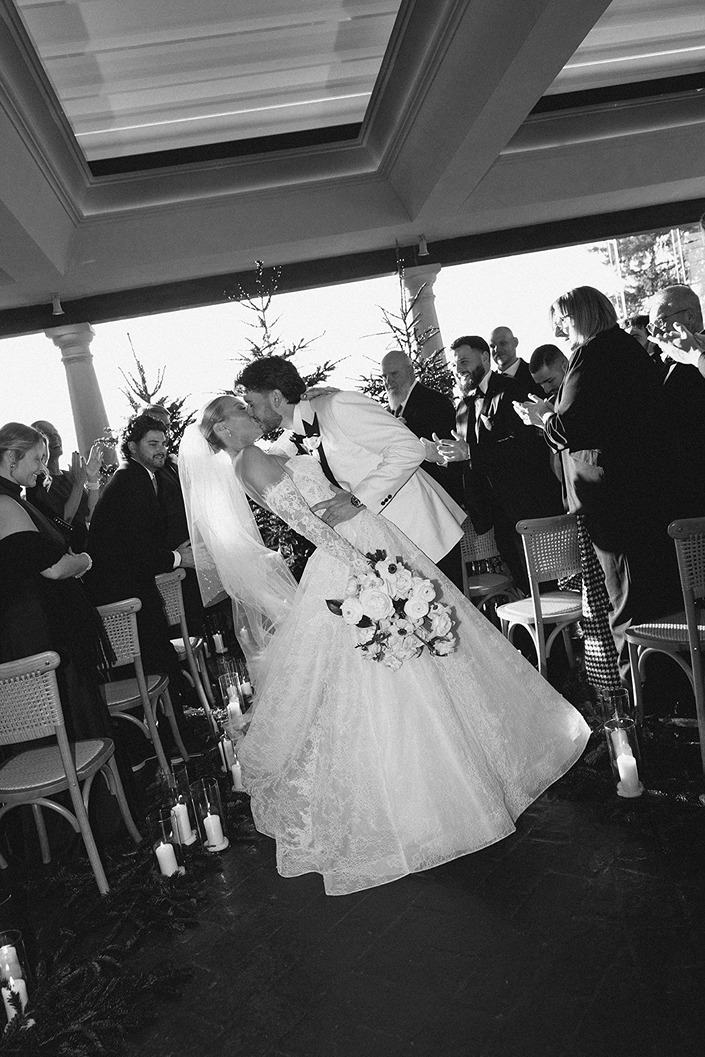
Getting married in Italy is an incredibly romantic decision to make for your wedding day. We’ve had the privilege of photographing Italian weddings and recently captured a wedding at Villa La Selva in Tuscany. The experience reminded us why Italy continues to be a dream destination for couples worldwide. The combination of historic architecture, rolling landscapes, incredible food, and rich cultural traditions creates a celebration unlike anything else.
That said, planning a legal Italian wedding as an American involves significantly more paperwork and planning than most couples expect. Which is why we’re here! This guide breaks down everything you need to know from legal requirements to practical planning tips.
Why Get Married in Italy?
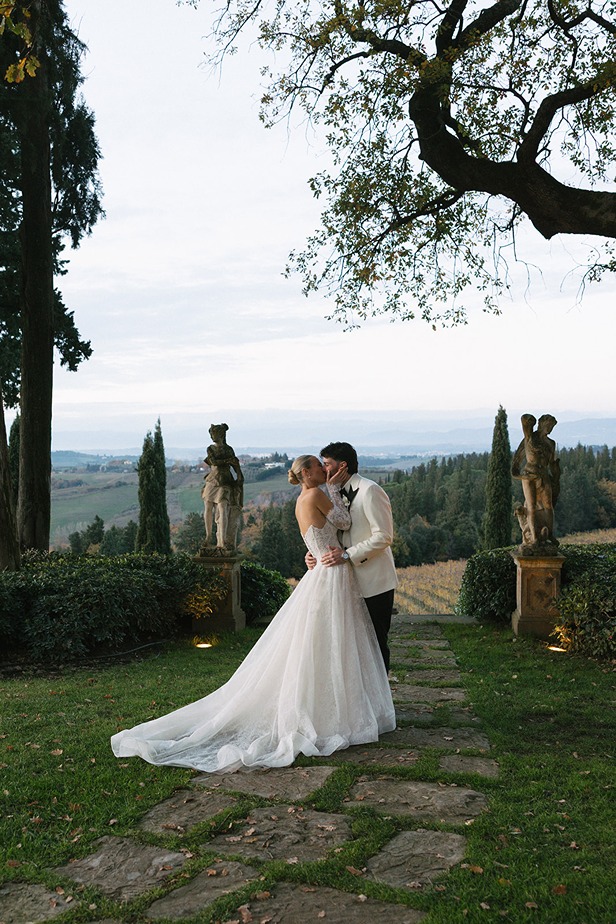
Before we get into logistics, let’s talk about what makes Italy special. The beauty is unrivaled… from Tuscan vineyards to Lake Como villas, the country offers stunning backdrops for destination weddings. But it’s more than just scenery. Italian culture celebrates food, family, and taking time to enjoy life’s important moments. An Italian wedding is a whole experience.
Getting married in Tuscany, Italy or any Italian region means embracing a celebration style that prioritizes relationships and experiences. Expect leisurely dinners, multiple courses, and traditions that honor your commitment and the Italian culture.
What It’s Like Getting Married in Italy
Getting married in Italy is a different experience than wedding celebrations in the United States. Understanding these differences helps you set realistic expectations and embrace what makes Italian weddings special.
The Pace is Different: Italian weddings move at a slower, more intentional pace. Cocktail hours last 1.5-2 hours, not 30-45 minutes. Dinner is a multi-course experience that can easily span 2-3 hours. Italians prioritize enjoying the meal, conversation, and company. Your guests will adapt to this rhythm, and most find it refreshing compared to rushed American wedding timelines.
Food is the Main Event: In Italy, food isn’t just fuel, it’s an experience worth celebrating. You’ll typically have an elaborate cocktail hour with passed appetizers and multiple stations, followed by a seated dinner with at least three courses (primi, secondi, and dolce), plus cake and additional desserts. The meal is an experience your guests will remember as much as the ceremony itself. Budget accordingly and trust the process.
Outdoor Ceremonies are Standard: Most Italian wedding venues emphasize outdoor ceremony spaces. While this creates stunning photo opportunities with natural backdrops, it also means weather becomes a factor. Many venues have limited or no indoor backup options, so you’ll need contingency plans and realistic expectations about weather variables.
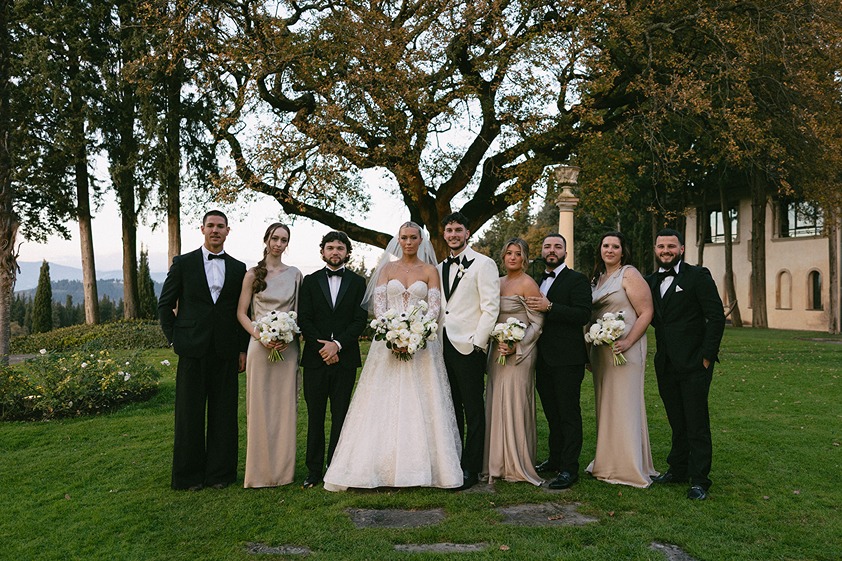
Things Run on Italian Time: Vendors and venues operate on a more relaxed schedule than you might expect from American wedding professionals. What feels like a delay to you is often normal timing in Italian culture. Build buffer time into your schedule and communicate clearly about timing expectations with your planner and vendors.
Language Adds Complexity: Even with a planner who speaks English, you’ll encounter language barriers with some vendors, venue staff, and local officials. This is where having a bilingual planner becomes essential. Simple communications take longer, and nuances can get lost in translation. Patience and clear, simple communication help navigate this reality.
Tourists are Part of the Landscape: If you’re marrying at or near popular sites (historic town centers, famous villas, well-known viewpoints), expect tourists. Your photographer will need strategies for working around crowds during portrait sessions. Early morning or late evening sessions often provide better opportunities for photos without background crowds.
Your Guests Will Love It: Despite the differences, guests consistently rave about Italian weddings. The combination of beautiful settings, incredible food, cultural immersion, and slower pace creates an experience they can’t get at home. Many guests extend their stay to explore Italy before or after your wedding, turning your celebration into a travel opportunity.

How to Get Married in Italy as an American: Legal Requirements
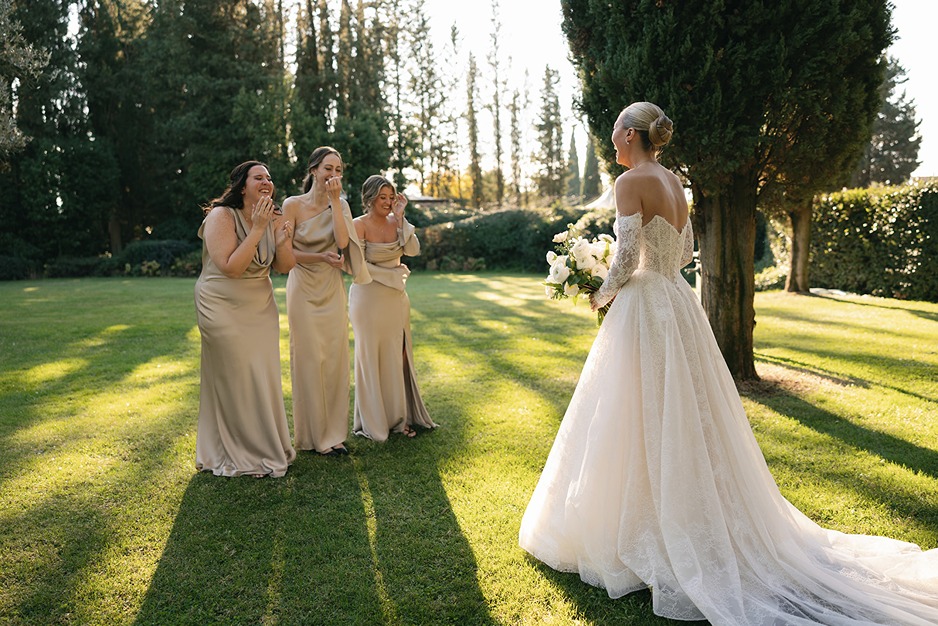
Here’s where planning gets detailed. Getting married in Italy as an American requires specific documentation and procedures. Understanding these requirements upfront helps you decide whether a legal Italian wedding or a symbolic ceremony better fits your timeline and budget.
Documents You’ll Need
Valid U.S. Passport: This is required for all legal proceedings. Active duty military members can present military ID instead.
Birth Certificate: Original or certified copy required.
Evidence of Previous Marriage Termination (if applicable): You’ll need final divorce decrees, annulment decrees, or death certificates of former spouses. If you’re a female whose previous marriage ended within 300 days, you must obtain a waiver from the Italian District Attorney’s Office proving you’re not pregnant.
Required Legal Declarations
Dichiarazione Giurata (Marriage Affidavit): This is a sworn statement before a U.S. consular officer in Italy confirming no legal impediment exists to your marriage under U.S. law. You must schedule an appointment at one of the U.S. Consulates General in Italy or the U.S. Embassy in Rome for this service.
After obtaining the Dichiarazione Giurata, you must bring it to the Legalization Office (Ufficio Legalizzazioni) at the local Prefettura. You’ll need to purchase a €16 revenue stamp (marca da bollo) from any tobacco shop and present it to the clerk for authentication.
Atto Notorio: This additional declaration states that no obstacle exists to your marriage according to U.S. law. Two witnesses over 18 (non-family members with valid photo ID who know you) must accompany you to swear this statement before an Italian consul outside Italy or a court official in Italy.
Get this declaration at the nearest Italian Embassy or Consulate before leaving the United States if possible (Italian courts often have long waiting lists). If obtaining it in Italy, contact the Notary Services Office (Ufficio Atti Notori) at the court in your wedding city to schedule an appointment in advance.
If you or your witnesses don’t speak Italian, an interpreter is required. You’ll need proof of legal presence in Italy (plane ticket, visa, or permit). Standard processing requires two €16 revenue stamps and one €10.62 stamp, with the Atto Notorio ready in 4-10 days. Urgent same-day processing requires two €16 stamps and one €31.86 stamp.
Document Legalization: All documents originating outside Italy (birth certificates, divorce decrees) must be legalized with an Apostille stamp from the secretary of state in the state where the document was issued. All documents must be translated into Italian by a certified translator.
Time Sensitivity: Under Italian law, documents from outside the EU are valid for only six months from issue date. Time your document collection accordingly.
Declaration of Intention to Marry
Present all required documents to the Marriage Office (Ufficio Matrimoni) at the town hall (municipio) in your wedding city. You’ll make a “Declaration of Intention to Marry” (Dichiarazione di Matrimonio) before a civil registrar. Bring an interpreter if you don’t speak Italian.
Civil banns (public announcements) must be posted at the town hall for two consecutive weeks including two Sundays before your wedding. However, if neither party is an Italian citizen or resident, banns are automatically waived or posted for a shorter period (one day to one week, depending on town hall regulations).
The Ceremony Itself
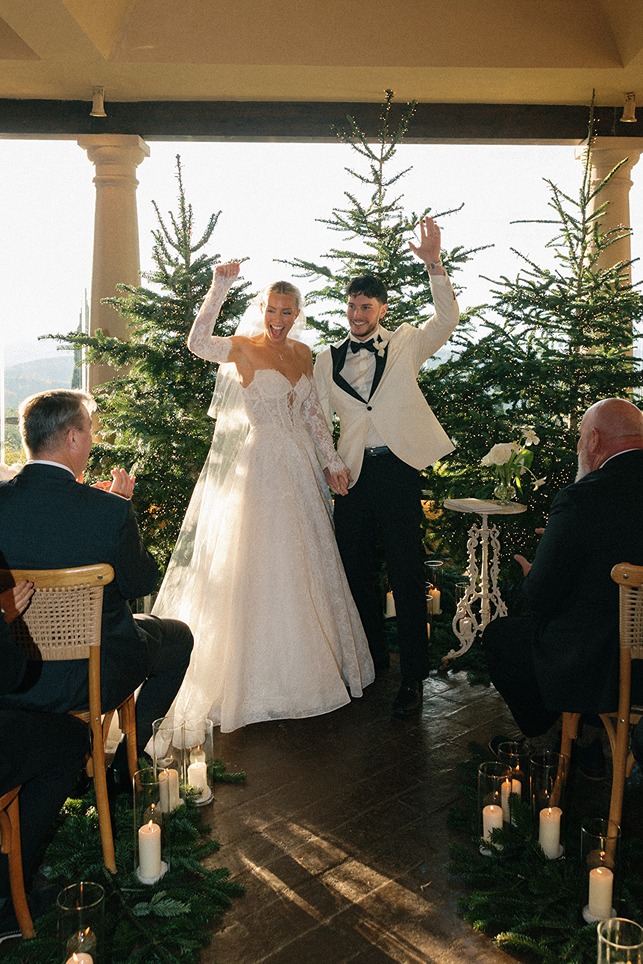
Civil Ceremony: Performed by the mayor or a deputy. Requires two witnesses over 18 with valid photo ID and an interpreter if needed. A witness cannot also serve as interpreter. Rental fees for the marriage hall vary by location, season, and day of week, ranging from €500 to €9,200.
Religious Ceremony: Valid if performed by a Roman Catholic priest, who will register the marriage with civil authorities (no separate civil ceremony needed). The Catholic Church requires baptismal and confirmation certificates in addition to standard documents. Contact your parish for complete requirements.
Validating Your Italian Marriage in the US
If a foreign marriage is valid where it’s performed is automatically valid in the U.S. Your Italian marriage certificate proves your marriage once legalized through the Apostille procedure. Obtain the Apostille stamp from the Legalization Office of the Italian Prefettura with jurisdiction over your wedding location.

The Symbolic Ceremony Alternative
After reading those legal requirements, many couples choose symbolic ceremonies instead. You legally marry in the United States (which requires minimal paperwork and no international appointments), then hold a ceremonial exchange in Italy that feels exactly like a wedding without the administrative complexity.
This approach eliminates months of document gathering, consulate appointments, translator coordination, and revenue stamp purchases. It typically costs less and allows more flexibility in venue and ceremony structure. Most places in Italy accommodate symbolic ceremonies, and your guests experience the same beautiful celebration.
Best Places to Get Married in Italy
Some of the best places to get married in Italy are on the outskirts of the big touristy cities. But if you want a quick rundown of what each region offers, here’s a good place to start.
Tuscany: Rolling vineyard landscapes, medieval villages, and countryside estates. This is classic Italian wedding territory with villa venues and agriturismos throughout the region.
Amalfi Coast: Dramatic coastal cliffs, Mediterranean views, and luxury hotel venues. Expect higher prices but unmatched seaside drama.
Lake Como: Alpine lake scenery with elegant villa venues. Popular for sophisticated, refined celebrations. Lots of beautiful villa options right outside the Lake.
Rome: Historic city venues with ancient architecture. For couples who want urban Italian character.
Sicily: Baroque architecture and unique cultural traditions. Less touristy than northern regions.
Umbria: Tuscany’s quieter neighbor with charming towns and lower prices.
Planning Tips for Getting Married in Italy
Train Your Search Algorithm
Set up a VPN with your location set to Italy. Download Google Translate as a Chrome extension. Search for vendors and venues in Italian whenever possible. If search algorithms think you’re local, you’ll find better options and more competitive pricing than what’s marketed to international clients.
Location Strategy
While famous towns like Florence, Positano, and Lake Como are gorgeous, stepping outside the most touristy locations often delivers better value. Countless incredible villas exist throughout Italy. And many are equally beautiful but less expensive because they’re not in the primary tourist circuits.
Understand IVA (Italian Tax)
Tax in Italy is called IVA. When vendors provide estimates, check whether they say “IVA escluso” (tax excluded). Wedding-related services carry 20% tax. Always clarify whether quotes include or exclude tax when getting married in Italy.
Respect The Italian Food Culture
Italian weddings center around food experiences. The multi-hour cocktail hour followed by multiple courses isn’t excessive, its Italian tradition. Consider setting aside half of your budget and embrace this aspect of Italian culture.
Hire a Local Wedding Planner
Getting married in Italy requires lots of logistics. Finding a wedding planner with Italian experience is invaluable. They handle vendor communication in Italian, understand local customs, and coordinate timeline details.
Plan Your Timeline Carefully
Legal marriage requires lots of documentation and lots of careful planning. Start your document process at least 6-8 months before you get married in Italy. Remember that documents are valid for only six months, so timing matters.
For symbolic ceremonies, you’ll have more flexibility, but you still need adequate planning time for venue booking and vendor coordination.

Deciding to Get Married in Italy
Getting married in Italy offers an extraordinary experience. The settings, the food, the cultural richness all combine to create celebrations that feel really special. The real question is whether you want to navigate the legal requirements or opt for the simpler symbolic ceremony route.
Legal marriage means your Italian wedding is your official marriage, which feels meaningful to many couples. Symbolic ceremonies eliminate bureaucratic stress while delivering the same beautiful experience for you and your guests.
When you’re ready to discuss photography and videography for your Italian celebration, contact us! We’ve photographed weddings in Tuscany and understand how to get married in Italy as an American. We’re here to help you navigate the planning process of getting married in Italy and want to ensure every meaningful moment gets captured. Read our complete guide to planning a destination wedding in Italy for additional venue and logistics information.